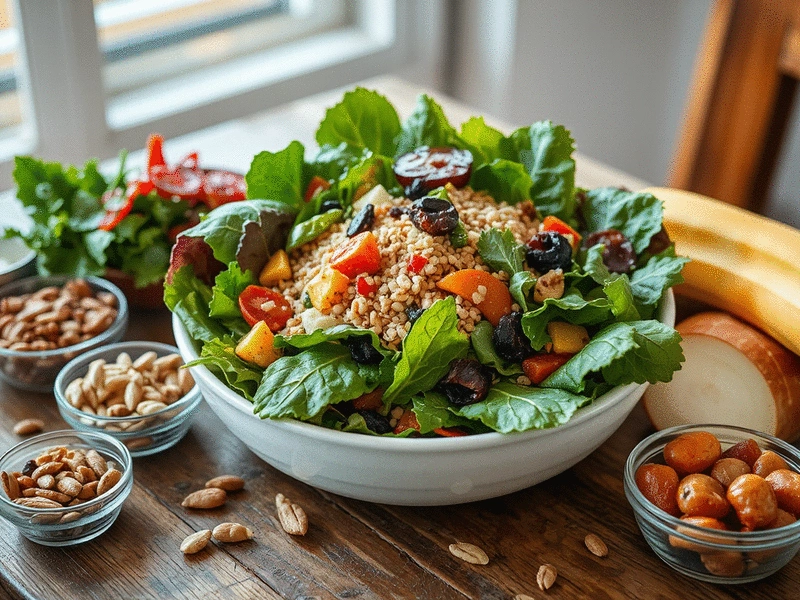
As you explore the path to a healthier lifestyle, consider this: A holistic diet isn't just about what you eat, but how you connect with your food and body. With this guide, you'll discover sustainable practices that nourish not just the body, but the spirit as well.
What You Will Learn
Holistic diets embrace whole, unprocessed foods that nourish both body and mind.
Sustainable weight loss is achieved through gradual lifestyle changes, not quick fixes.
Mindfulness in eating enhances your relationship with food, promoting better choices.
Incorporating superfoods into your diet boosts energy and overall vitality.
Tracking metrics like energy levels and mood can help measure the success of your holistic journey.
A supportive community and continuous learning are vital for maintaining a holistic lifestyle.
Holistic Diet Principles vs. Conventional Diet Focus
This visual compares the core principles of holistic diets with the primary focus of conventional weight loss methods, highlighting their differing approaches to health and weight management.
Reduced Chronic Inflammation: Focuses on health at a cellular level.
Nurtures Body & Spirit
Conventional Diet Focus
Calorie Counting: Primary focus on caloric intake.
Restrictive Plans: Often involves strict food limitations.
Quick Fixes: Aims for rapid weight loss results.
General Guidelines: Less emphasis on individual needs.
Short-Term Goals: Can lead to yo-yo dieting.
Symptom Management: Less focus on root causes of inflammation.
Focuses on Weight Loss Metrics
A Beginner’s Guide to Holistic Diets for Weight Loss and Increased Vitality
Welcome to your journey towards a healthier, more vibrant you! At The Renewal Report, we believe that a holistic diet can be a transformative experience, blending nutrition with a deeper understanding of your body and spirit. This guide will walk you through the essentials of holistic diets, helping you achieve weight loss and increased vitality in a sustainable way.
Understanding Holistic Diets: The Basics
What is a Holistic Diet?
A holistic diet goes beyond just counting calories or following restrictive meal plans. It aims to nurture the entire body by focusing on the quality and the harmony of the foods consumed. This approach considers not only what you eat but also how it affects your overall health and well-being. By embracing a holistic diet, you can achieve balance and foster a connection with your food and your body.
Key Principles of Holistic Nutrition
Whole Foods: Emphasizing natural, unprocessed foods that are nutrient-dense.
Balance: Focusing on a well-rounded intake of macronutrients and micronutrients.
Mindfulness: Being present while eating, which enhances the relationship you have with food.
Personalization: Tailoring diets to individual needs and preferences, taking into account food sensitivities and lifestyle.
By integrating these principles, your holistic diet can support not just weight loss, but also overall health improvements.
The Connection Between Holistic Diets and Weight Loss
How Holistic Approaches Promote Sustainable Weight Loss
Holistic diets prioritize gradual changes that lead to sustainable weight loss. Unlike traditional diets that often focus on quick fixes, a holistic approach encourages a lifestyle shift. This means developing healthier habits that can last over the long term, leading to lasting weight loss and vitality.
Benefits of Whole-Person Health in Weight Management
When we focus on the whole person—mind, body, and spirit—we create a foundation for effective weight management. Here are some key benefits:
Improved mental health and body image.
Enhanced energy levels and vitality.
Reduction in stress and emotional eating.
By addressing these aspects, you'll find it easier to maintain a healthy weight while feeling good about yourself!
Exploring the Role of Metabolism in Weight Loss
Metabolism plays a crucial role in how our bodies process food and burn calories. A holistic diet can positively influence your metabolism by:
Incorporating high-fiber foods that boost digestion.
Including healthy fats that promote hormonal balance.
Encouraging regular physical activity to enhance metabolic rate.
By understanding and working with your metabolism, you're setting the stage for successful weight loss and renewed energy.
Essential Components of a Holistic Diet Plan
Building Your Meal Plan for Weight Loss
Creating a meal plan that supports your goals is an essential step in your holistic journey. Focus on meals that are balanced, incorporating a variety of food groups for optimal nutrition. Remember to plan ahead to avoid last-minute unhealthy choices!
Incorporating Vitality-Boosting Foods and Superfoods
Superfoods are an excellent addition to any holistic diet. Here’s a list of some vitality-boosting options:
Leafy greens: Rich in vitamins and antioxidants.
Quinoa: A complete protein packed with nutrients.
Avocados: Great for heart health and packed with healthy fats.
Blueberries: Loaded with antioxidants and great for brain health.
Including these foods in your diet can significantly enhance your energy levels and overall health.
Understanding the Importance of Nutrient Density
Nutrient density refers to the ratio of nutrients to calories in a food. Choosing foods that are high in nutrients but lower in calories is key to losing weight while still feeling satisfied. Focus on foods like fruits, vegetables, whole grains, and lean proteins to ensure you’re getting the most out of your meals.
Practical Steps for Starting Your Holistic Diet Journey
Creating a Customized Diet Plan with Balanced Diet Principles
To set yourself up for success, start by assessing your current eating habits. Identify areas where you can make adjustments, whether it’s reducing processed foods or incorporating more plant-based meals. Create a diet plan that reflects your personal preferences and lifestyle, making it easier to stick with in the long run.
Meal Prep Tips for Success: Cooking Methods and Healthy Snacks
Meal prepping can save time and ensure you have healthy options at your fingertips. Consider these tips:
Batch cook grains and legumes for easy meal assembly.
Prepare snack packs of nuts, seeds, and dried fruit for on-the-go energy.
Experiment with roasting or steaming your vegetables to enhance flavor without added fats.
With a little planning, you’ll find that sticking to your holistic diet becomes second nature!
Integrating Mindfulness for Enhanced Vitality
The Role of Mindfulness in Eating and Intuitive Eating
Mindfulness is a powerful tool in your holistic diet journey. By practicing mindful eating, you can reconnect with your body’s hunger cues and truly savor each bite. This not only enhances your enjoyment of food but also helps prevent overeating.
Practices to Boost Energy and Well-Being Through Stress Management
Managing stress is crucial for maintaining energy levels and overall well-being. Here are a few practices you can incorporate:
Meditation: A few minutes a day can improve focus and reduce anxiety.
Gentle yoga: Helps to relieve tension while promoting flexibility.
Breathwork: Simple breathing exercises can quickly rejuvenate your spirit.
Integrating these practices into your daily routine can help you feel more energized and in control.
Comparing Holistic Diets to Conventional Diets
Benefits Over Traditional Weight Loss Methods
While conventional diets often focus on calorie restriction, holistic diets emphasize nourishment and wellness. This shift in focus results in healthier eating habits and long-term success. By fostering a better relationship with food, holistic diets can lead to more sustainable weight loss.
Evidence-Based Insights into Diet Effectiveness and Chronic Inflammation
Research increasingly supports the benefits of holistic diets, particularly in reducing chronic inflammation, which is linked to various diseases. Embracing a diet rich in whole foods can promote health at a cellular level, enhancing your body’s natural defenses.
Addressing Common Concerns and Misconceptions
Is a Holistic Diet Right for Everyone? Exploring Food Sensitivities
Holistic diets can be tailored to individual needs, making them suitable for many people. However, food sensitivities and allergies should be considered. It’s important to listen to your body and adjust your diet accordingly to ensure that it supports your unique needs.
Potential Risks and How to Mitigate Them with Alternative Medicine
While holistic diets are generally safe, it's essential to be aware of potential risks, such as nutrient deficiencies. Consulting with a healthcare provider or a nutritionist can help you create a balanced plan that mitigates these risks. Additionally, incorporating alternative medicine practices can enhance your overall wellness and support your weight loss journey.
Pro Tip
To supercharge your holistic diet journey, consider incorporating seasonal foods into your meal planning. Not only are they fresher and more flavorful, but they also provide your body with the nutrients it needs at different times of the year. For instance, enjoy hearty root vegetables in the winter and vibrant berries in the summer. This practice not only enhances your meals but also connects you with the natural rhythms of the earth, promoting overall well-being.
Frequently Asked Questions (FAQs)
What is a holistic diet?
A holistic diet is an approach to eating that emphasizes whole, unprocessed foods and aims to nurture the entire body, mind, and spirit. It focuses on quality, balance, mindfulness, and personalization, going beyond calorie counting to promote overall well-being and sustainable health.
How does a holistic diet promote sustainable weight loss?
Holistic diets promote sustainable weight loss by encouraging gradual lifestyle changes rather than quick fixes. They focus on developing healthier habits, improving mental health, enhancing energy levels, and reducing emotional eating, leading to long-term success and vitality.
What are some key principles of holistic nutrition?
Key principles include emphasizing whole, nutrient-dense foods; focusing on a balanced intake of macronutrients and micronutrients; practicing mindfulness while eating; and personalizing diets to individual needs, preferences, and sensitivities.
Can a holistic diet help with chronic inflammation?
Yes, research supports that holistic diets, rich in whole foods, can effectively reduce chronic inflammation. By promoting health at a cellular level, these diets enhance the body's natural defenses against various diseases linked to inflammation.
Are there any risks associated with a holistic diet?
While generally safe, potential risks such as nutrient deficiencies can arise if the diet is not well-planned. It's advisable to consult with a healthcare provider or a nutritionist to create a balanced plan that addresses individual needs and mitigates any potential risks.
Reflecting on Your Holistic Diet Journey: Key Takeaways
As you embark on this transformative journey, it's essential to take a moment to reflect on your progress and insights gained along the way. At The Renewal Report, we believe that understanding your body and recognizing the changes it undergoes is vital in fostering a sustainable holistic diet that promotes weight loss and increased vitality. So, how do we measure success in this ongoing journey?
Measuring Your Success: Vitality Metrics
Tracking your progress in weight loss and energy levels is a crucial step in maintaining motivation and accountability. Here are some effective ways to keep tabs on your holistic health journey:
Monitor daily energy levels: Keep a journal to note how you feel throughout the day.
Track weight and measurements: Regularly record your weight and body measurements to see tangible changes.
Assess mood and mental clarity: Reflect on how your diet impacts your mood and cognitive function.
Evaluate physical performance: Pay attention to how your body responds during physical activities.
By consistently measuring these metrics, you can gain insight into what works for you and what might need adjustment. If you notice any dips in energy or weight loss plateaus, remember it’s all about fine-tuning your approach to meet your evolving needs.
Adjusting Your Holistic Diet for Long-Term Benefits and Gut Health
Adapting your holistic diet is crucial for long-term success and gut health. Listen to your body and be open to change! Here are some strategies to help you adjust:
Experiment with new foods: Incorporate a variety of fruits, vegetables, and whole grains to keep your meals interesting.
Consider food sensitivities: Pay attention to how certain foods affect your digestion and overall well-being.
Stay informed: Keep up with new research on nutrition to enhance your dietary choices.
Seek professional advice: Consult with a nutritionist or holistic health practitioner for personalized guidance.
These adjustments not only support weight loss but also promote a healthier gut, which plays a crucial role in overall wellness.
Embracing the Holistic Lifestyle Beyond Diet
To truly embrace a holistic lifestyle, it’s important to extend your journey beyond just diet. Developing sustainable habits is key! Here are some foundational practices to consider:
Integrate regular physical activity: Find enjoyable ways to keep moving, whether it’s dancing, walking, or yoga.
Prioritize sleep hygiene: Ensure you’re getting quality sleep to support recovery and energy levels.
Practice stress management: Incorporate meditation, deep breathing, or hobbies that help you unwind.
Foster social connections: Surround yourself with supportive friends and family who share your wellness goals.
By creating and nurturing these habits, you’ll strengthen your commitment to a lifestyle that promotes physical activity and overall wellness, making it easier to maintain your holistic diet.
Finding Support: Community and Resources for Holistic Health
Having a support system is invaluable in your holistic health journey. Look for resources that resonate with you, such as:
Community groups: Join local or online groups where people share their holistic experiences.
Workshops and classes: Engage in classes that focus on cooking, nutrition, or wellness practices.
Online resources: Explore blogs, podcasts, and newsletters like The Renewal Report for ongoing education.
Professional networks: Seek guidance from wellness coaches or nutritionists who align with your goals.
These connections will not only enrich your knowledge but also provide motivation and encouragement as you navigate your journey.
Taking the Next Steps Toward Increased Vitality
As you reflect on your holistic diet journey, think about the next steps you can take to further enhance your vitality. Accessing resources is a great way to stay informed and inspired. Here’s how to get started:
Read books on holistic nutrition: Gain insights from experts in the field to deepen your understanding.
Follow credible health blogs: Stay updated on current trends and research in holistic health.
Utilize meal planning apps: Use technology to streamline your grocery shopping and meal prep.
Join wellness programs: Participate in structured programs designed to guide you through holistic practices.
By actively seeking resources, you empower yourself to make informed choices and stay on track with your holistic diet.
Call to Action: Start Your Holistic Diet Today and Embrace a Holistic Lifestyle!
Are you ready to embrace a holistic lifestyle? Start your journey today! At The Renewal Report, we’re here to support you with valuable insights and resources to help you renew your body and enhance your vitality. Remember, every small step counts, and together, we can achieve greater wellness! Let’s embark on this journey together!
Recap of Key Points
Here is a quick recap of the important points discussed in the article:
Whole Foods Focus: Prioritize natural, unprocessed foods for optimal nutrition.
Mindfulness in Eating: Practice being present during meals to enhance your relationship with food.
Balanced Macronutrients: Ensure a well-rounded intake of nutrients for sustainable weight loss.
Personalization: Tailor your diet to fit individual preferences and sensitivities.
Incorporate Superfoods: Add vitality-boosting foods like leafy greens, quinoa, and avocados to your meals.
Stress Management: Integrate practices like meditation and yoga for enhanced well-being.
Community Support: Engage with groups and resources to stay motivated on your holistic health journey.
Sarah Mitchell
As a dedicated wellness researcher and co-founder of The Renewal Report, I'm passionate about empowering you to renew your body and enhance your vitality. My journey into holistic health, combined with evidence-based insights on weight loss, anti-aging, and energy, is all about guiding you towards a healthier, more vibrant life. Let's rediscover your best self together.
Popular Posts
Monitor Your Energy with Journals
In the pursuit of wellness, understanding your energy levels can be transformative. What if you coul
The Renewal Report is dedicated to empowering individuals with evidence-based insights for body renewal. Our mission is to demystify holistic health and equip you with actionable strategies for weight loss, anti-aging, and enhanced vitality.
Start your day with mindful hydration. A glass of water upon waking can kickstart your metabolism and energy, setting a positive tone for body renewal.
Consider incorporating anti-inflammatory foods like berries and leafy greens into your diet. They are powerful allies in your journey to enhanced vitality.
Prioritize quality sleep. Aim for 7-9 hours to allow your body to repair and rejuvenate, crucial for both weight management and anti-aging.
Engage in gentle movement daily. Whether it's a brisk walk or yoga, consistent activity supports circulation and boosts your natural energy levels.
Explore intermittent fasting. It can be a powerful tool for metabolic health, aiding in weight loss and promoting cellular renewal for anti-aging benefits.
Incorporate stress-reducing practices like meditation or deep breathing. Managing stress is vital for hormonal balance and overall wellness.
Focus on gut health. A balanced microbiome is key to nutrient absorption, energy production, and even mood regulation, all contributing to your renewal.
Discover the benefits of adaptogens. Herbs like Ashwagandha can help your body adapt to stress, boosting resilience and energy.
Embrace whole, unprocessed foods. They provide the essential nutrients your body needs to thrive, supporting weight loss and vibrant health.
Stay connected with our community through The Renewal Report. Share your journey and find inspiration for lasting transformation.
Optimize your environment for better sleep. Darken your room, lower the temperature, and minimize screen time before bed for deeper rest.
Experiment with cold therapy, like a cold shower. It can boost circulation, reduce inflammation, and enhance mental clarity for renewed energy.
Practice mindful eating to truly savor your meals. This enhances digestion and helps you recognize your body's satiety signals, supporting weight goals.
Incorporate strength training into your routine. Building muscle mass supports metabolism, bone health, and an anti-aging physique.
Ready to transform? Subscribe to The Renewal Report for exclusive, evidence-based insights on weight loss, anti-aging, and energy, delivered right to your inbox!