Nutrition's Impact on Aging Well

Consider this: the right nutritional choices can not only enhance your health today but also influence how well you age tomorrow. If you've ever wondered how to harness the power of food to boost your longevity, you're in for a transformative journey!
What You Will Learn
- Key mechanisms like mTOR can optimize diets for healthier aging outcomes.
- Caloric restriction can extend healthspan and enhance cellular repair mechanisms.
- Maintaining mitochondrial health is vital for sustaining energy and vitality as we age.
- Incorporating omega-3 fatty acids can significantly reduce inflammation and support heart health.
- Understanding current research gaps can help in making informed dietary choices for longevity.
- Innovative solutions are needed to ensure equitable access to nutritious foods for all populations.
- Small, manageable dietary changes can set you on a path toward better health and longevity.
Nutrition and Anti-Aging: Key Mechanisms and Research Gaps
The following visual illustrates the core mechanisms through which nutrition influences aging and highlights current gaps in anti-aging research, providing a roadmap for future exploration.
How Nutrition Influences Aging: Key Mechanisms
- • Nutrient-sensing pathways (e.g., mTOR): Cellular growth & metabolism.
- • Caloric Restriction: Extends healthspan, enhances metabolic efficiency.
- • Mitochondrial Health: Role of NAD+ boosters for cellular energy.
- • Omega-3 Fatty Acids: Reduces inflammation, improves cognitive function.
Current Gaps in Anti-Aging Research
- • Lack of Robust Clinical Trials for Superfoods.
- • Insufficient Long-term Effects Studies on nutritional interventions.
- • Limited Comparative Research with traditional therapies.
- • Need for Diverse Population Studies to ensure broad applicability.
Innovative Solutions for Global Nutritional Equity
- • Community Programs: Promote superfood consumption in underserved areas.
- • Education Campaigns: Workshops on healthy eating & incorporating foods.
- • Policy Advocacy: Support food security & equitable access.
- • Partnerships: Make superfoods accessible & affordable.
Implementing Practical Nutrition Strategies Today
- • Start Small: Incorporate one superfood weekly (e.g., berries, turmeric).
- • Stay Informed: Keep up with latest nutrition research.
- • Connect with Others: Engage with friends/family for support.
- • Join the Conversation: Share experiences and ask questions.
The Intersection of Nutrition and Anti-Aging: Understanding the Science
As I delve into the relationship between nutrition and aging, I find it fascinating how our dietary choices can significantly impact our longevity. At The Renewal Report, we believe that understanding the science behind these connections empowers us to make informed decisions for our health. Let's explore the key mechanisms that illustrate how nutrition influences aging.
How Nutrition Influences Aging: Key Mechanisms
One of the primary ways nutrition affects aging is through nutrient-sensing pathways like mTOR (mechanistic target of rapamycin). These pathways play a critical role in cellular growth and metabolism, affecting how our bodies respond to food intake. When we consume a nutrient-rich diet, it can trigger mTOR activity, which is linked to cellular processes that promote longevity.
- Understanding mTOR's role can help us optimize our diets for better aging outcomes.
- Balancing protein intake is essential to regulate mTOR activity effectively.
- Incorporating antioxidants can further support these biological pathways.
By exploring how our bodies utilize nutrients, we gain insights into how to enhance our vitality as we age. Nutrition truly serves as a cornerstone in the fight against aging, guiding us toward healthier choices.
The Role of Caloric Restriction in Extending Healthspan
Caloric restriction has long intrigued researchers as a potential key to extending healthspan—the period of life spent in good health. Studies have shown that reducing caloric intake without malnutrition can have profound effects on cellular health and aging processes. This method encourages a state of cellular maintenance and repair, essential for longevity.
- Evidence suggests that caloric restriction can reduce the risk of age-related diseases.
- It may enhance metabolic efficiency, promoting better energy utilization.
- Regularly practicing caloric restriction can lead to improved cellular repair mechanisms.
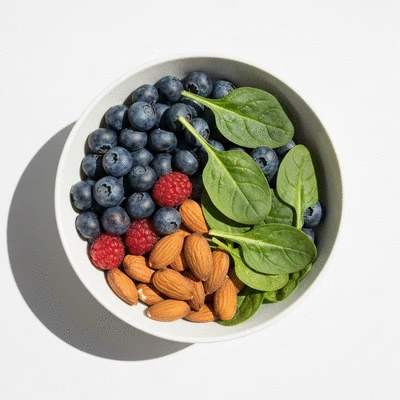
As I reflect on my wellness journey, adopting a more mindful approach to caloric intake has been transformative. This practice not only supports my body but also fosters a deeper connection with food.
Mitochondrial Health: The Foundation of Longevity
Mitochondria are often referred to as the powerhouses of our cells, and their health is crucial for aging well. Mitochondrial function declines with age, leading to reduced energy levels and increased oxidative stress. That's where NAD+ boosters come into play—they can enhance mitochondrial function and support cellular energy production.
- Choosing foods rich in NAD+ precursors can promote better mitochondrial health.
- Regular physical activity also boosts mitochondrial function.
- Consider supplements like NMN (Nicotinamide Mononucleotide) for additional support.
Maintaining mitochondrial health is vital for sustaining our energy and vitality as we age. By focusing on this aspect of wellness, we can significantly influence our overall aging process.
The Impact of Omega-3 Fatty Acids on Aging
Omega-3 fatty acids are celebrated for their numerous health benefits, especially in the context of aging. These essential fats play a significant role in reducing inflammation, which is a major contributor to many age-related diseases, including heart and brain conditions.
- Including fatty fish, flaxseeds, and walnuts in your diet can boost omega-3 intake.
- Research has shown that omega-3s can improve cognitive function as we age.
- These fats also support heart health, reducing the risk of cardiovascular diseases.
Incorporating omega-3-rich foods into my meals has not only enhanced my wellness but also provided a delicious way to support my body as it ages. It's an easy and beneficial adjustment for anyone looking to maximize their health.
Pro Tip
Did you know that incorporating a variety of colorful fruits and vegetables into your diet can significantly enhance your overall health? The diverse pigments in these foods are often indicators of their antioxidant properties, which can help combat oxidative stress and inflammation—two key contributors to aging. Aim for a "rainbow plate" to maximize your nutrient intake and support your body's fight against aging!
Evaluating the Future of Nutrition and Anti-Aging Research
As we delve deeper into the intersection of nutrition and anti-aging, it's crucial to recognize the current gaps in research that still need to be addressed. While we have made strides in understanding how certain foods impact our health, the need for more clinical studies remains paramount. This not only helps in validating the efficacy of superfoods but also in identifying any potential side effects when compared to traditional therapies. Let's explore some of these gaps further.
Current Gaps in Research and Human Trials
To genuinely grasp the benefits of superfoods, we must consider a few important aspects:
- Clinical Studies: There is a lack of robust clinical trials that can definitively establish the impact of superfoods on aging.
- Long-term Effects: Understanding the long-term benefits and any adverse effects of integrating superfoods into diets is essential.
- Comparative Research: More studies comparing superfoods with traditional nutritional therapies will provide clearer insights.
- Diverse Populations: Research needs to include various demographic groups to understand how different bodies respond to these superfoods.

By addressing these gaps, we can enhance our understanding of how nutrition contributes to longevity and make informed choices about our diets!
Innovative Solutions for Global Nutritional Equity
Nutrition should not be a privilege—it's a fundamental right! At The Renewal Report, we believe in the importance of ensuring access to nutritional interventions across diverse populations. This is vital for promoting overall healthspan and longevity. Here are some innovative solutions to consider:
- Community Programs: Establishing local initiatives that promote the consumption of superfoods, especially in underserved communities.
- Education Campaigns: Conducting workshops to educate individuals about the benefits of nutrition and how to incorporate healthy foods into their diets.
- Policy Advocacy: Advocating for policies that support food security and equitable access to high-quality nutrition.
- Partnerships: Collaborating with local farmers and businesses to make superfoods more accessible and affordable.
As we work toward closing these gaps, we can pave the way for a healthier future for everyone, regardless of their background.
Your Path to a Healthier Future
Implementing Practical Nutrition Strategies Today
Now that we've explored the research and its implications, it’s time to take action! I invite you to start making small, manageable changes to your diet and lifestyle. Here are a few strategies that you might find helpful:
- Start Small: Incorporate one superfood into your diet each week—maybe add some berries to your breakfast or sprinkle turmeric onto your favorite dishes!
- Stay Informed: Keep yourself updated on the latest nutrition research through platforms like The Renewal Report.
- Connect with Others: Engage with friends or family members who are also interested in improving their nutrition. Together, you can share tips and support each other!
Every small step counts toward a larger transformation. Let’s embark on this journey together, one meal at a time!
Join the Conversation on Nutrition and Aging
We want to hear from you! Join the community discussion about nutrition and aging by sharing your experiences or asking questions. Your insights are invaluable, and together we can foster a supportive environment focused on longevity and wellness. So, what are your favorite superfoods? How have they impacted your health?
Connect with us on social media or drop us a comment below. Let’s make this journey towards better health a shared adventure!
Frequently Asked Questions (FAQs)
- Q: How does nutrition influence aging at a cellular level?
- A: Nutrition influences aging primarily through nutrient-sensing pathways like mTOR, which regulate cellular growth and metabolism. A nutrient-rich diet can activate mTOR, promoting cellular processes linked to longevity.
- Q: What is caloric restriction, and how does it affect longevity?
- A: Caloric restriction involves reducing calorie intake without causing malnutrition. Studies suggest it can extend healthspan by enhancing metabolic efficiency and promoting cellular maintenance and repair mechanisms, which are crucial for longevity.
- Q: Why is mitochondrial health important for aging?
- A: Mitochondria are the "powerhouses" of our cells, producing energy. As we age, mitochondrial function declines, leading to reduced energy and increased oxidative stress. Maintaining mitochondrial health through means like NAD+ boosters and physical activity is vital for sustaining vitality and energy levels.
- Q: What role do Omega-3 fatty acids play in anti-aging?
- A: Omega-3 fatty acids are key for reducing inflammation, a major factor in many age-related diseases. They also support heart health and improve cognitive function, making them essential for a healthy aging process.
- Q: What are the main research gaps in nutrition and anti-aging?
- A: Key research gaps include a lack of robust long-term clinical trials for superfoods, insufficient studies on their long-term effects and comparative benefits against traditional therapies, and a need for more diverse population studies to ensure broad applicability of findings.
- Q: How can individuals start implementing practical nutrition strategies today?
- A: Individuals can begin by incorporating one new superfood into their diet weekly, staying informed about the latest nutrition research, and engaging with friends or family for support and shared learning. Small, manageable changes can lead to significant health improvements.
Recap of Key Points
Here is a quick recap of the important points discussed in the article:
- Nutrition significantly influences aging through nutrient-sensing pathways like mTOR, which affects cellular growth and metabolism.
- Caloric restriction can extend healthspan by promoting cellular maintenance and reducing age-related disease risks.
- Maintaining mitochondrial health is vital for energy production and vitality, with NAD+ boosters and nutrient-rich foods playing a key role.
- Omega-3 fatty acids help reduce inflammation and support heart and cognitive health as we age.
- Addressing research gaps and ensuring equitable access to nutrition are essential for promoting overall health and wellness.
- Implementing small, manageable dietary changes can lead to significant improvements in health and longevity.
Sarah Mitchell
As a dedicated wellness researcher and co-founder of The Renewal Report, I'm passionate about empowering you to renew your body and enhance your vitality. My journey into holistic health, combined with evidence-based insights on weight loss, anti-aging, and energy, is all about guiding you towards a healthier, more vibrant life. Let's rediscover your best self together.
Popular Posts
Monitor Your Energy with Journals
![Track Your Energy Levels: Using Wellness Journals for Optimal Results]() In the pursuit of wellness, understanding your energy levels can be transformative. What if you coul
In the pursuit of wellness, understanding your energy levels can be transformative. What if you coul
 In the pursuit of wellness, understanding your energy levels can be transformative. What if you coul
Choosing Quality Anti-Aging Products
![What to Look for in High-Quality Anti-Aging Products: A Shopper’s Guide]() Have you ever stood in front of a skincare aisle, overwhelmed by the myriad of anti-aging products?
Have you ever stood in front of a skincare aisle, overwhelmed by the myriad of anti-aging products?
 Have you ever stood in front of a skincare aisle, overwhelmed by the myriad of anti-aging products?
Choosing Weight Loss Products Wisely
![Navigating Weight Loss Product Reviews: What to Look for Before Buying]() When considering weight loss products, it's not just about the latest trend or flashy marketing. It�
When considering weight loss products, it's not just about the latest trend or flashy marketing. It�
 When considering weight loss products, it's not just about the latest trend or flashy marketing. It�
Anti-Aging Products: Your Questions Answered
![Frequently Asked Questions About Anti-Aging Products and Body Renewal]() Did you know that the right anti-aging ingredients can not only rejuvenate your skin but also enhanc
Did you know that the right anti-aging ingredients can not only rejuvenate your skin but also enhanc
 Did you know that the right anti-aging ingredients can not only rejuvenate your skin but also enhanc
